Revision Rhinoplasty Dubai | Dr. Hatem Dalati | Dual-Board Certified Consultant
In this guide
Summary
- Dr. Hatem Dalati is a Dual-Board Certified ENT Consultant who specializes in revision rhinoplasty in Dubai. He has successfully treated over 300 complex cases.
- Before undergoing revision rhinoplasty, patients often report distressingly low scores on validated Quality of Life assessments (often below 30/100). Post-revision data shows these scores can more than double, reaching levels comparable to healthy individuals (over 80/100).
- In 70-80% of secondary rhinoplasty cases and 50% of tertiary cases, Dr. Dalati’s ENT training enables him to harvest enough cartilage from within the nose (deep septum), avoiding the pain of rib or ear grafts, eliminating the need for additional donor sites.
- Revision rhinoplasty requires specialized ENT expertise as it addresses both functional (breathing problems) and aesthetic issues. These surgeries typically take 3-5 hours, compared to 90 minutes for primary procedures.
- Dr. Dalati’s systematic approach includes 3D Virtual Surgical Planning technology and rigid multi-point fixation techniques, ensuring long-term stability and natural-looking results.
Can Your Failed Rhinoplasty Be Fixed? Data from 300+ Complex Revisions Says Yes
Being disappointed when you look in the mirror after rhinoplasty is more than just an aesthetic issue. It’s a significant disruption to your quality of life. Every time you struggle to breathe, notice asymmetry, or feel self-conscious about your appearance, you’re experiencing the real consequences of a procedure that didn’t meet your expectations. At the ENT Clinic of Excellence in Dubai Healthcare City, Building 64, 2nd Floor, Dr. Hatem Dalati understands this burden deeply. He has helped over 300 patients regain both function and confidence through specialized revision rhinoplasty procedures.
The cost of revision rhinoplasty in Dubai is usually between AED 35,000–50,000, which reflects the complexity of these procedures. Dr. Dalati provides personalized quotes during the consultation based on your specific needs, ensuring transparency throughout your journey. His dual board certification in ENT Surgery (European Board & Arab Board), along with his membership in the Rhinoplasty Society of Europe, makes him a uniquely qualified Consultant who sees revision rhinoplasty as both a functional restoration and aesthetic transformation.
Starting the process to correct a failed rhinoplasty can be daunting, but remember, you’re not alone. Validated clinical research indicates that patients seeking revision surgery often report Quality of Life scores significantly lower than the general population—reflecting deep physical and emotional distress. Dr. Dalati understands the gravity of these statistics. He has helped patients statistically double their satisfaction levels, restoring both the ability to breathe and the confidence to be seen.
Could You Be a Candidate? A Simple 3-Step Assessment
Before we delve into the nitty-gritty of the revision rhinoplasty process, let’s first see if you’re a good fit for the procedure with a straightforward three-step evaluation:
Step 1: Is this your first nose surgery?
If this is your first nasal surgery, then you’re in need of primary rhinoplasty, not a revision. Primary procedures involve dealing with untouched tissue with a standard anatomy, while revision surgery involves working through scar tissue and previously changed structures. This key difference is why revision procedures require a Consultant’s expertise.
Step 2: What is your main worry?
Are your worries only about how it looks (shape, symmetry, tip definition), or do you also have problems with how it works (breathing problems, nasal valve collapse, chronic obstruction)? If you have functional problems after the operation, you need to see Dr. Hatem Dalati, ENT Consultant & Rhinoplasty Surgeon, as soon as possible. It is fine to worry about how it looks, but if you have breathing problems, it could be because there is something wrong with the structure of your nose that needs to be sorted out quickly to stop other problems from happening.
Step 3: When did you have your previous surgery?
As per standard medical guidelines, it is advised to wait for 12-18 months for all the swelling to subside and to evaluate the final aesthetic results. If your surgery was less than a year ago, it might be best to wait unless you are facing severe functional issues. If it’s been 1-3 years or more, you are in the perfect timeframe for a revision as your tissue has stabilized and a clear way forward can be established.
[Book Your Restorative Assessment] with Dr. Hatem Dalati today.
Unhappy With Your Rhinoplasty Results? A Guide to Your Next Steps
Considering a revision rhinoplasty means you’ve likely been through a lot. You’ve put in time, money, and hope into your first procedure only to be left feeling let down, asymmetrical, or with new breathing issues. The external issues—an unnatural appearance, difficult breathing, structural collapse, or visible scarring—are easy to see. But the internal emotional toll—feeling embarrassed, anxious, or lacking confidence in social and professional settings—can be even harder to deal with.
According to medical research, those who need revision rhinoplasty score about 32.8 out of 100 on validated quality of life assessments1. This isn’t just an emotion; it’s a quantifiable condition that influences every facet of your life. You are entitled to a nose that not only appears natural, but also works flawlessly. You should not have to endure the consequences of a failed surgery.
Dr. Hatem Dalati understands these challenges deeply. As a double board-certified ENT surgeon specializing in complex revision rhinoplasty, he combines technical mastery and genuine compassion with a straightforward, evidence-based approach. Choosing Dr. Dalati means taking a decisive step toward both the appearance and confidence you deserve.
Why Most Revisions Fail (And How a Dual-Certified Consultant Safeguards Against Failure)
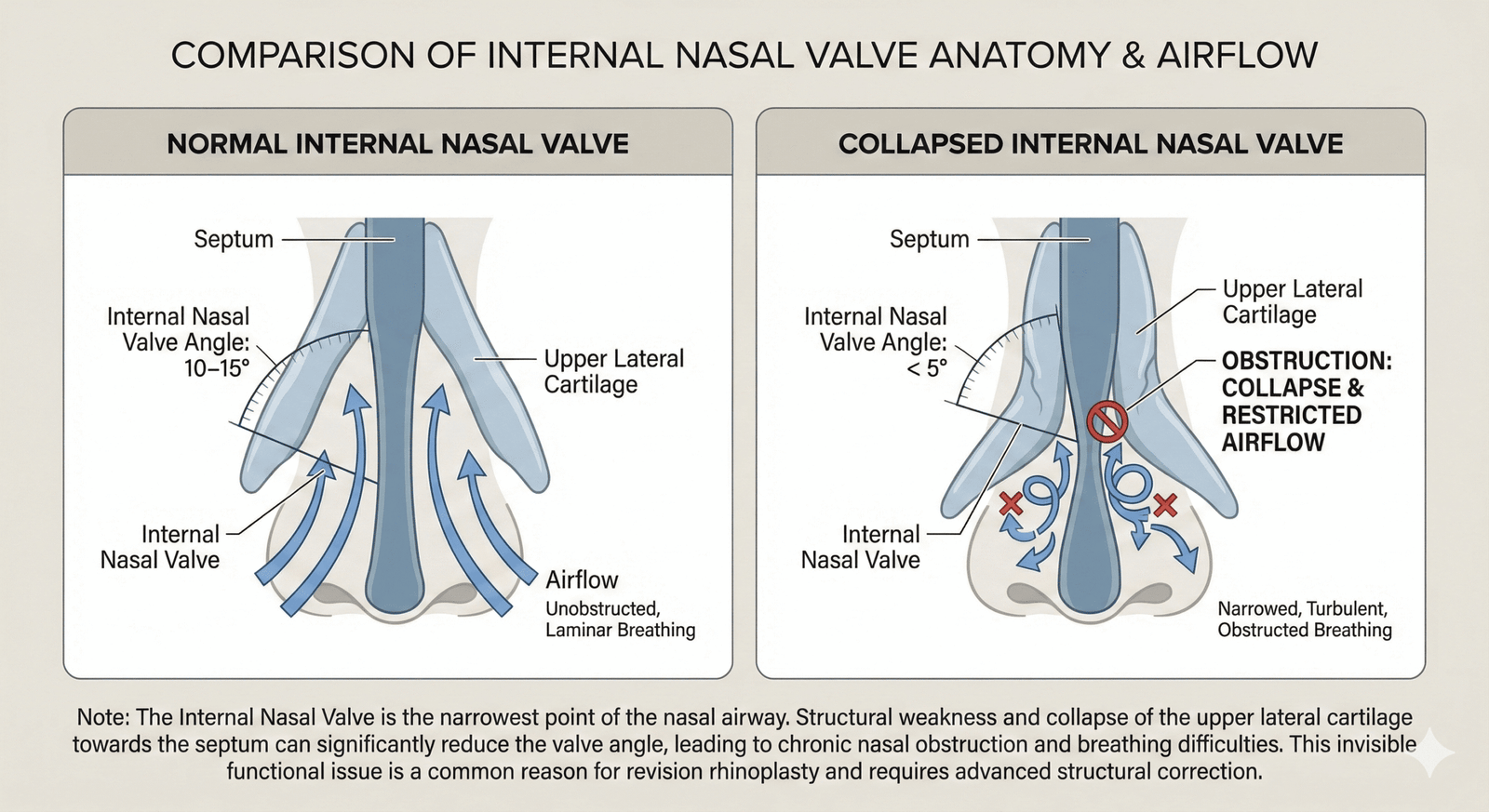
Preoperative analysis reveals the hidden severity of these cases. Research indicates that 82% of functional patients present with internal valve collapse2, where the airway is critically narrowed to less than 5 degrees. These anatomical realities drive the need for Dr. Dalati’s advanced spreader grafts, which are structurally essential to widen the airway and restore effortless breathing.
Dr. Dalati’s revision rhinoplasty approach is based on several key principles that differentiate his practice. His Dual Board Certification in ENT Surgery equips him with a deep understanding of ENT physiology and advanced aesthetic training, which is crucial for complex revisions. This dual expertise has allowed him to develop systematic methods such as rigid multi-point fixation and advanced cartilage preservation techniques, which are specifically designed for long-term structural stability. True restorative success often requires a precise septoplasty to straighten the internal foundation before aesthetic refinements are made.
Dr. Dalati is a Consultant specializing in secondary and tertiary rhinoplasties, which many other surgeons avoid due to their complexity. His practice is heavily focused on these types of surgeries, and he has a documented patient satisfaction rate of 96%. However, the true measure of his success is the transformation in quality of life. In validated outcomes studies for revision rhinoplasty, successful structural correction has been shown to elevate patient quality of life scores from “severe distress” ranges to “excellent health” benchmarks, representing a profound restoration of overall wellbeing.
Expert Cartilage Conservation: ENT-Skilled Rescue Method
Revisions necessitate cartilage for structural reconstruction, but the initial operation often exhausts the septum. The conventional solution is to extract rib or ear cartilage, which entails a second surgical site, increased discomfort, and a prolonged recovery period. Dr. Dalati’s ENT expertise enables him to reach deeper septal and turbinate structures that are typically inaccessible to cosmetic surgeons. The outcome: In roughly 70-80% of secondary rhinoplasty cases and over 50% of tertiary cases, he successfully extracts enough cartilage from within the nose itself, eliminating the need for behind the rib or ear grafts. This means no additional incision sites, no extra donor-site discomfort, and a quicker recovery.
Is Surgery Always the Answer? Non-Surgical Alternatives
Though many revision issues are structural and necessitate surgical intervention, Dr. Dalati always considers non-surgical options first. His philosophy is straightforward: “Surgery is the last resort, not the first.” During your consultation with Dr. Dalati he will recommend against surgery if a non-surgical solution is feasible or if you may simply need more time to heal.
In some cases, patients with minor irregularities may benefit from non-surgical refinements. Dr. Dalati stresses the need to wait 12-18 months for a final healing assessment before considering revision surgery for purely cosmetic reasons. This ethical, patient-focused approach ensures that surgery is only recommended when it is absolutely necessary and when it provides the best solution to both functional and cosmetic problems.
The Rhinoplasty Surgeon Who Never Gives Up
A Personal Note from Dr. Dalati:
Many rhinoplasty surgeons in Dubai won’t see patients who are looking for their third, fourth, or fifth revision. They say the tissue is too damaged, or that they don’t want to risk their reputation. But that’s where I come in. As a Dual-Board Certified ENT Consultant, I see these cases not as cosmetic disasters, but as functional emergencies. Often, I am the last hope for patients who have been told by others that nothing more can be done.
I hold the functional physiological anatomy of the nose in the highest regard. It’s my belief that helping a patient breathe freely again is a medical necessity, not an optional procedure. This commitment results in my surgical days being longer and more complicated than most other rhinoplasty practices. A primary rhinoplasty might take 90 minutes, but my revision cases often last 3-5 hours. It requires a unique mindset—something akin to a forensic detective and a micro-structural engineer.
That’s why I only perform surgeries at Dr. Sulaiman AL Habib Hospital. This facility is equipped to handle the demands of these extended reconstructive procedures. They have specialized anesthesia teams, micro-surgical instruments, and advanced safety protocols. My practice has become a center for solving the unsolvable. I restore function, confidence, and hope to patients who thought their situation was beyond repair.
Three True Patient Stories
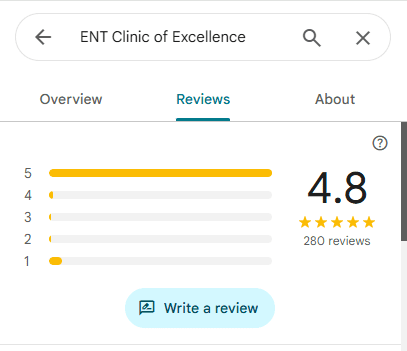
Click to check the latest review score on Google
Profile 1: “Better, Not Different”: Correcting Over-Resection While Preserving Middle Eastern Identity
“After my first revision, I stopped taking photos. My nose had no definition. The thick skin never settled down. The surgeon told me to ‘be patient,’ but after two years, nothing changed. My face looked shapeless and swollen, like the surgery had wiped away my features instead of improving them. I wanted refinement that honored my Middle Eastern heritage, not a nose that looked Western or unnatural.”
My Approach as Her Surgeon (Dr. Dalati): The main challenge was the mismatch between thick skin and the weak cartilage underneath. Her previous surgeon had aggressively over-resected, causing a loss of structural support and resulting in a ‘Pollybeak’ deformity. This is a well-known complication in patients with thick skin envelopes—you cannot simply remove cartilage; you must support it. My approach focused on building a strong cartilage framework to push through the thick skin and create definition. This involved careful soft tissue defatting and placing a strong columellar strut graft for robust tip support. My goal was ‘better, not different’—to enhance her natural features rather than imposing a standard that didn’t fit her ethnicity.
Outcome: “I’m so happy I chose Dr. Hatem for my revision rhinoplasty. From the first appointment, he made me feel comfortable and really listened to what I wanted, paying close attention to every detail. The surgery went smoothly, and I love the way my nose looks now, natural and fitting my face perfectly.” — Verified Google Review (Reverie Elixir)
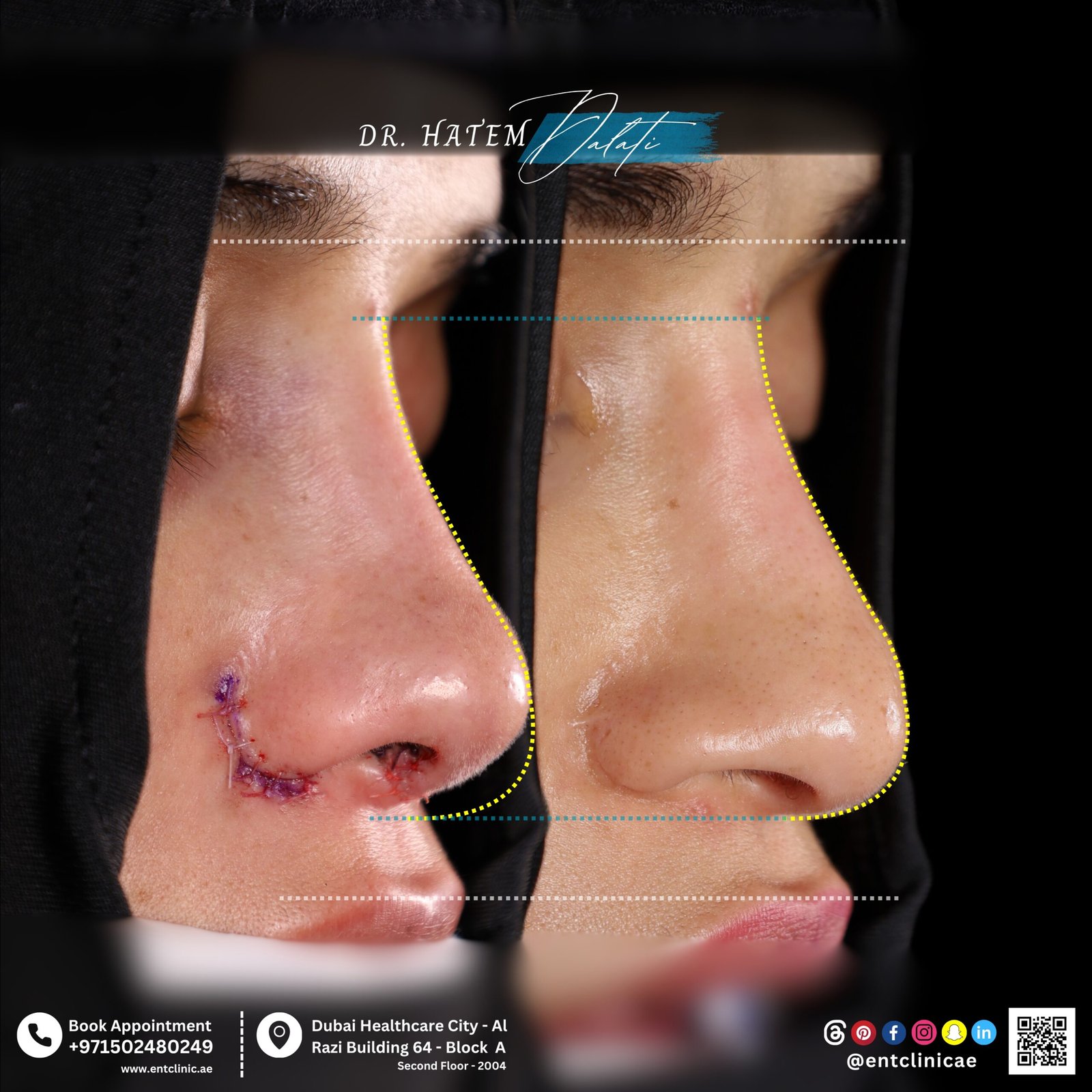
Clinical Note: Middle Eastern rhinoplasty requires a specialized understanding of thick-skin nasal anatomy. Dr. Hatem combines European surgical precision with a native appreciation for regional aesthetics. The goal is enhancement that preserves ethnic identity, avoiding the “operated” look that often results from applying standard reduction techniques to thick-skinned patients.
[Book Your Restorative Assessment] with Dr. Hatem Dalati today.
Profile 2: The Seven-Year Journey: Finding the Structural Solution
For seven years, this patient sought help from several international experts, including Oxford-trained professors at major regional academic centers. Despite receiving high-level care in multiple countries, her functional and aesthetic problems persisted, leaving her exhausted and feeling disfigured.
My Perspective as Her Surgeon (Dr. Dalati): This was a complex case of reconstruction after trauma. During surgery, I took a detective-like approach, meticulously reviewing the previous work to identify structural issues and foreign materials that had been obscured by scar tissue. The solution required a complete structural reconstruction. I removed all foreign materials—staying true to my commitment to use only autologous (the patient’s own) tissue—and reconstructed the nasal framework using natural cartilage and dissolvable sutures.
Outcome: “My condition was impossible after suffering a facial trauma… Over seven years, I was treated by numerous specialists… The day the bandages were removed, I was extremely happy because I had begun breathing through my nose easily and painlessly. The surprise was when Dr. Hatem gave me a mirror to examine my nose. I started praying for him from my heart… He gave me my life back.” — Verified Google Review (Rula)
Profile 3: From Fear to Function: Overcoming Anxiety and Valve Collapse
“I was terrified to trust another surgeon four years after my initial rhinoplasty left me with severe breathing issues. I would wake up gasping for breath. I couldn’t work out. When Dr. Hatem discovered that the previous surgeon had left foreign materials—rubber-like artificial cartilage—causing inflammation and blockage, I didn’t know if I could go through surgery again.”
My Approach as His Surgeon (Dr. Dalati): The patient came to me with severe functional failure due to the collapse of the internal nasal valve. He also had significant surgical anxiety. His previous surgeon had removed too much cartilage during the primary surgery, causing the upper lateral cartilages to collapse inward and block the airway. My solution was to remove all foreign materials and rebuild the nasal airway. I used my systematic rigid multi-point fixation approach with bilateral spreader grafts. These grafts act as wedges placed between the septum and upper lateral cartilages, enlarging the internal valve and restoring the critical 15° angle required for clear airflow.
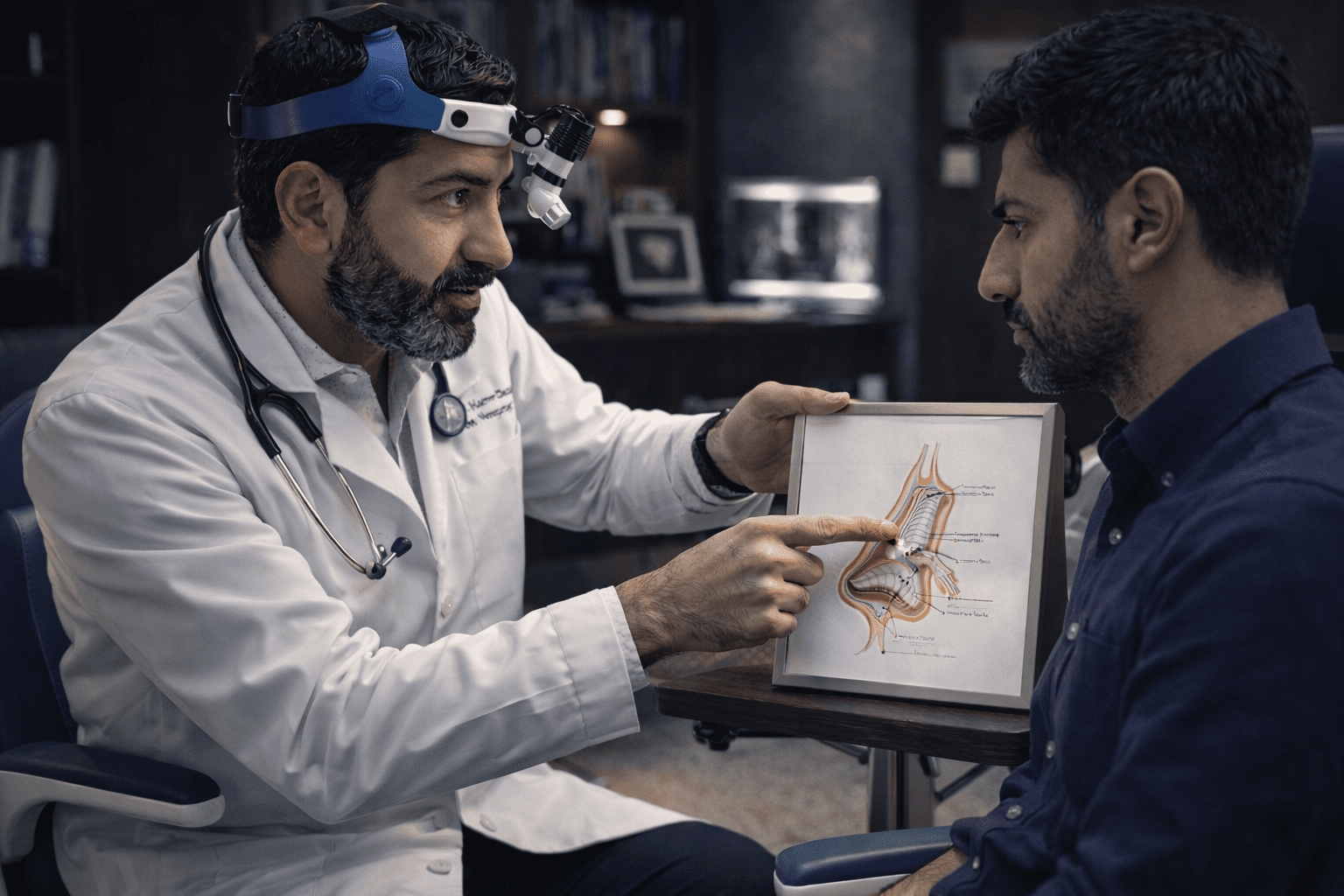
Equally important was managing his fear. During our consultation, I adopted my teacher-surgeon mindset to reduce his anxiety. I explained every step, showed him anatomical models, and made sure he understood exactly what was happening and why.
Outcome: “I had a septo/rhinoplasty about four years ago… It was a tough experience, and since then, I’ve been hesitant and honestly pretty anxious about the idea of going through another surgery. From the first consultation with Dr. Hatem, I knew I was in the right hands… I finally feel like I can breathe properly again, and the aesthetic results are exactly what I had hoped for. I honestly couldn’t have asked for a better doctor.” — Verified Google Review (Mohammed Ak)
Revision Rhinoplasty: A Second Chance Powered by Proven Data
Considering revision rhinoplasty can be an emotionally draining experience, filled with anxiety and disappointment. You’ve already been through the process once, experienced the recovery, and the idea of doing it all again, putting your trust in another surgeon, can be overwhelming. But here’s the fact that changes everything: Patients who undergo revision rhinoplasty typically have a Quality of Life score of around 32.8 out of 100 before their surgery. This isn’t just a feeling, it’s a score based on validated clinical tools like the Rhinoplasty Outcome Evaluation (ROE) questionnaire.
To quantify this success, we rely on dual-metric validation. Functional analysis confirms a dramatic restoration of airway patency, with NOSE scores dropping from a severe 77.4 to a mild 30.3. Simultaneously, patient satisfaction—measured by the Rhinoplasty Outcomes Evaluation (ROE)—reaches a verified mean of 81.93. This data proves a full recovery of quality of life: the ability to breathe freely through both nostrils, sleep soundly without gasping, and look in the mirror without disappointment.
Revision surgery is inherently more complex than primary rhinoplasty, which is why it typically costs more (AED 35,000 to AED 50,000). You’re dealing with scar tissue, depleted cartilage, and distorted anatomy. However, think about the alternative cost: dealing with breathing problems, sleep disruption, and emotional distress for the next 10, 20, 30 years. The cumulative emotional, psychological, and even financial cost of not addressing the issue far outweighs the cost of definitive correction.
Precision in Revision Rhinoplasty: Why 3.5x Magnification Matters
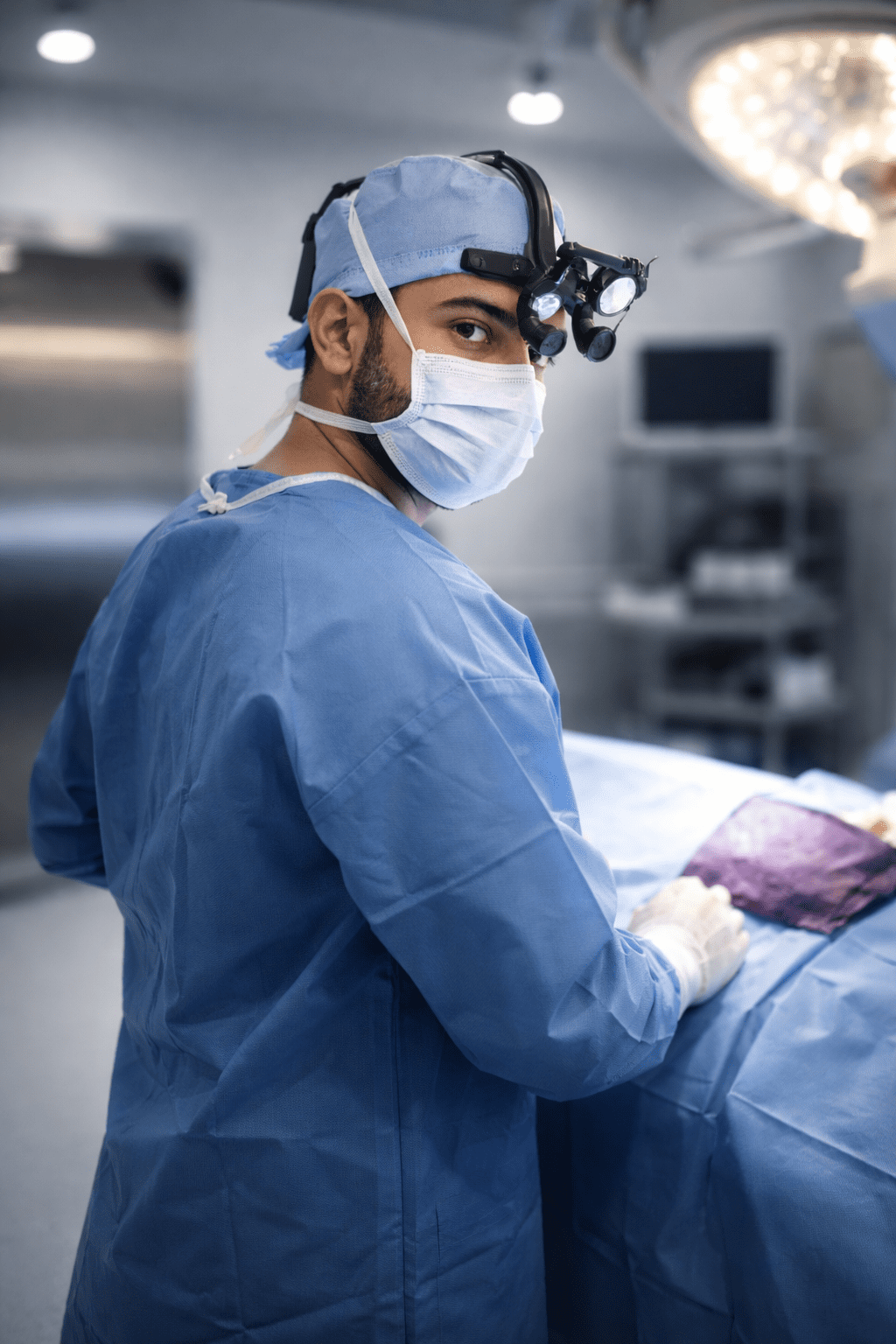
While most rhinoplasty surgeons use 2.5x magnification, Dr. Dalati uses customized 3.5x surgical loupes paired with the advanced Brandon Medical Dual-Light System, a specialized UK technology that provides 60,000 lux of shadow-free illumination. This isn’t a luxury for Dr. Dalati—it’s a necessity for the kind of revision work he does. This system features dual LED lights that eliminate all shadows in the surgical field, variable magnification lenses for optimal visualization at different surgical stages, and consistent, submillimeter precision throughout extended procedures.
When magnified 3.5 times, Dr. Dalati can observe and protect tiny blood vessels that help with proper healing. He can also place micro-sutures with just the right tension—not too tight to avoid tissue damage and not too loose to prevent graft migration. Additionally, he can carve cartilage grafts with submillimeter precision, ensuring they fit perfectly and work as they should. This level of detail is critical in scarred, unpredictable tissue, as it can mean the difference between success and failure.
The Hospital Advantage: Safety Without Compromise
Dr. Dalati’s procedures are not a rushed job. Instead, they are a meticulous, high-magnification work that takes 4–6 hours, not the typical 90 minutes. He operates at a micro-surgical level, ensuring that every structural graft is perfectly positioned. To match this level of precision, he operates exclusively at Dr. Sulaiman Al Habib Hospital. Holding the prestigious JCI Accreditation (The Gold Standard in Global Healthcare), this facility provides an “Unrestricted Safety Protocol,” meaning the anesthesia team has full access to the most advanced medications and state-of-the-art life support technology (ventilators and monitoring systems) available globally, regardless of cost.
This allows the team to use specialized “controlled hypotension” techniques that safely relax blood pressure to minimize bleeding, keeping the surgical field microscopic-clean for Dr. Dalati while significantly reducing post-operative bruising. Furthermore, because standard anesthesia isn’t sufficient for a 6-hour surgery, the facility’s elite anesthesia team specializes in managing prolonged micro-surgical cases, ensuring you wake up smoothly and comfortably, without the “hangover” typical of older anesthetic drugs.
Why Revision Rhinoplasty Requires a Different Approach
Performing a primary rhinoplasty is akin to constructing a house from scratch on a vacant lot, using a detailed blueprint. On the other hand, a revision rhinoplasty is more like attempting to renovate a historic building that is on the verge of collapse, has concealed structural damage, and lacks any original blueprints. Instead of starting from scratch, you are trying to reverse-engineer someone else’s work, fix their mistakes, and create stability in tissue that has been compromised.
Most patients who seek primary rhinoplasty are concerned with the appearance of their nasal tip, with 61.0% of complaints focusing on this area. The goal of primary surgery is often to make the nose smaller or more defined. However, revision surgery is quite different, as it addresses underlying structural issues. The most common areas of concern for revision surgery are the dorsum (the bridge of the nose), which accounts for 27.9% of complaints, and the nasal valve (which affects breathing), accounting for 16.4% of complaints.
The information provided shows that revision is not a cosmetic procedure, but rather a reconstructive, functional one. The mindset shifts from “reduction” (removing cartilage) to “augmentation” (reinserting structural support). An ENT specialist has training in nasal airflow and valve mechanics, the use of cartilage grafts for structural support, the anatomy of deeper nasal structures not typically accessed by cosmetic surgeons, and the handling of functional emergencies such as valve collapse.
The Diagnostic Advantage: A Systematic Approach to Revision
Dr. Dalati’s revision patients often come from international consultations, ranging from major regional academic centers to specialists in Europe. Their journeys often last years before finding a solution right here in Dubai. Despite receiving high-level care, functional and aesthetic problems often persist. It is Dr. Dalati’s comprehensive ENT approach and systematic investigative method that finally provides the solution.
Dr. Dalati’s surgical team says that he approaches each case like a detective. He systematically uncovers what previous surgeries modified, what was removed, what foreign materials might be present, and what scar tissue has formed. Every previous surgery leaves anatomical clues—asymmetric tip cartilage placement, over-resected septum, collapsed valve structures, or hidden foreign grafts. His experience with 300+ revisions means he recognizes patterns of failure that others might miss.
It is not that previous surgeons were unskilled; it is that Dr. Dalati holds a distinct surgical advantage. With his double certification in ENT and over 300 revision cases, he brings a unique ability to solve problems. As an ENT surgeon, he can reach cartilage sources that plastic surgeons often do not access. This ENT-only knowledge means that 70–80% of his revision patients don’t need to have their rib or ear harvested, avoiding a second surgical site.
Ensuring the Longevity of Your Results: How I Prevent Structural Changes
It is heartbreaking for a patient to see their nose look perfect three months after surgery, only for it to slowly alter, droop, or collapse a year later. This collapse often happens because of a powerful biological force: Scar Contracture. As your nose heals, the skin tightens back onto the new framework. The scar tissue that forms is not just skin—it is a dense mesh of tough collagen fibers that is much stronger than normal tissue. If the cartilage grafts are not rigidly locked in place, this “shrink wrap” effect can warp or move them, destroying your results.
This is my engineered solution to the problem. I do not simply place grafts; I anchor them. My approach uses multiple (typically 3–5) horizontally placed mattress sutures to rigidly fix every single structural graft to the underlying framework. These sutures are placed under precise tension—calculated to withstand the pulling forces of scar tissue while allowing proper blood flow for healing. This ensures the structural stability I create in the operating room is permanent.
Patients’ follow-ups confirm this, with results remaining consistent over time. We see that the nose looks the same 5 years after surgery as it did at 18 months. This level of fixation takes time; there is no clock in my operating room. My focus is not on finishing quickly, but on finishing perfectly so that your results last for decades. The functional physiological anatomy of the nose is sacred to me; prioritizing stability naturally results in aesthetic beauty.
Using Existing Structure for Precision Outcomes
Assured Airflow & Structural Stability
I use precision structural engineering with bilateral spreader grafts. These are meticulously carved pieces of cartilage placed between the septum and the upper lateral cartilages. Each graft gets multiple horizontal mattress sutures—typically 3–5 per side—to securely anchor it to the nasal framework. The Anatomical Goal: This technique is specifically designed to restore the functional 10–15° angle between the septum and upper lateral cartilage. This angle forms the Internal Nasal Valve—the narrowest part of the airway and the most common site of obstruction after rhinoplasty. The Mechanism: Spreader grafts function as structural spacers. By placing them between the septum and the upper lateral cartilages, they physically “wedge” the sidewalls outward. This lateralization prevents the airway from collapsing inward when you take a deep breath and structurally widens the valve for unrestricted airflow. Result: This is engineered for lasting unobstructed breathing. The inflexible fixation prevents the spreader grafts from moving or collapsing over time, rigidly preserving the critical 15° angle. Patients often report significant improvements in breathing, sleep quality, and exercise capacity within the first week following surgery.
Creating a Defined, Long-Lasting Nasal Tip
My approach includes the use of tip grafting techniques that I have carefully developed over time, along with a columellar strut graft for vertical support. The columellar strut—a meticulously carved piece of cartilage placed between the medial crura—acts as the central pillar of the nasal tip. This prevents drooping and maintains projection for the long term. To create natural tip definition, I use interdomal sutures to achieve the exact 30° angle of divergence between the tip-defining cartilages. Each structural graft is secured with 3–5 mattress sutures for rigid fixation. Result: The tip of the nose is defined and natural, maintaining its position and projection over time. It doesn’t droop, become narrow, or lose its shape. The final look is refined, not Westernized, respecting the patient’s ethnic identity.
Primary Rhinoplasty vs. Revision Rhinoplasty: What’s the Difference?
Primary and revision rhinoplasty are two very different procedures. With primary rhinoplasty, the surgeon is typically working with healthy, untouched tissue and normal anatomy, and the goal is usually to reduce or refine the shape of the nose. This involves removing bone and cartilage. Revision rhinoplasty, on the other hand, is a much more complex procedure. The surgeon is working with scarred tissue, depleted cartilage, and distorted anatomy. The goal is to restore and reconstruct the structure of the nose, often including restoring breathing function that was damaged by the primary surgery. This often involves adding structural support back into the nose. Because of the complexity and time involved (3-5 hours compared to 90 minutes for primary rhinoplasty), revision rhinoplasty is typically more expensive and requires a Dual-Certified Consultant (ENT Board + Rhinoplasty Fellowship) to manage the functional and aesthetic risks simultaneously.
| First Rhinoplasty | Revision Rhinoplasty | |
|---|---|---|
| Main Objective | Appearance refinement (Tip complaints: 61.0%) | Structural repair (Valve/Dorsum complaints: 44.3%) |
| Surgical Environment | Untouched, predictable tissue with normal anatomy | Scarred, changed, cartilage-deficient tissue with distorted anatomy |
| Approach Preference | Open or Closed (surgeon preference) | Open Approach Mandatory for accurate diagnosis through scar tissue |
| Cartilage Requirement | Low (primarily septal cartilage) | High (often requires deeper septal/turbinate harvest; rib grafts in severe cases) |
| Surgical Complexity | Primarily reduction (removing bone/cartilage) | Primarily reconstruction (adding structural support) |
| Surgical Time | 90 minutes to 2 hours | 4 to 6 hours (sometimes longer in severe cases) |
| Recovery Timeline | 6-12 months for final result | 12-18 months for final result (due to scar tissue healing) |
| Cost Range | AED 15,000 – 30,000 (Dubai average) | AED 35,000 – 50,000 (reflects complexity and time) |
| Specialist Requirement | Cosmetic surgeon or ENT surgeon | Dual-Certified Consultant (ENT Board + Rhinoplasty Fellowship) essential for simultaneous functional and aesthetic correction |
Strategic Benefits: Why Specialist Revision is the Better Option
Choosing a surgeon for revision rhinoplasty involves avoiding two common pitfalls: the “Cosmetic Trap” and the “Functional Trap.” A general cosmetic surgeon may create a beautiful nose that collapses upon inhalation because the valves were not structurally reinforced. Conversely, a general ENT may clear the airway perfectly but leave the nose aesthetically undefined.
Dr. Dalati’s Dual-Certified Consultant status bridges this gap. By integrating the airway expertise of an ENT with the artistic precision of a Fellowship-Trained Rhinoplasty Surgeon, he ensures that the structural grafts used to restore your breathing are the same grafts used to define your nasal tip.
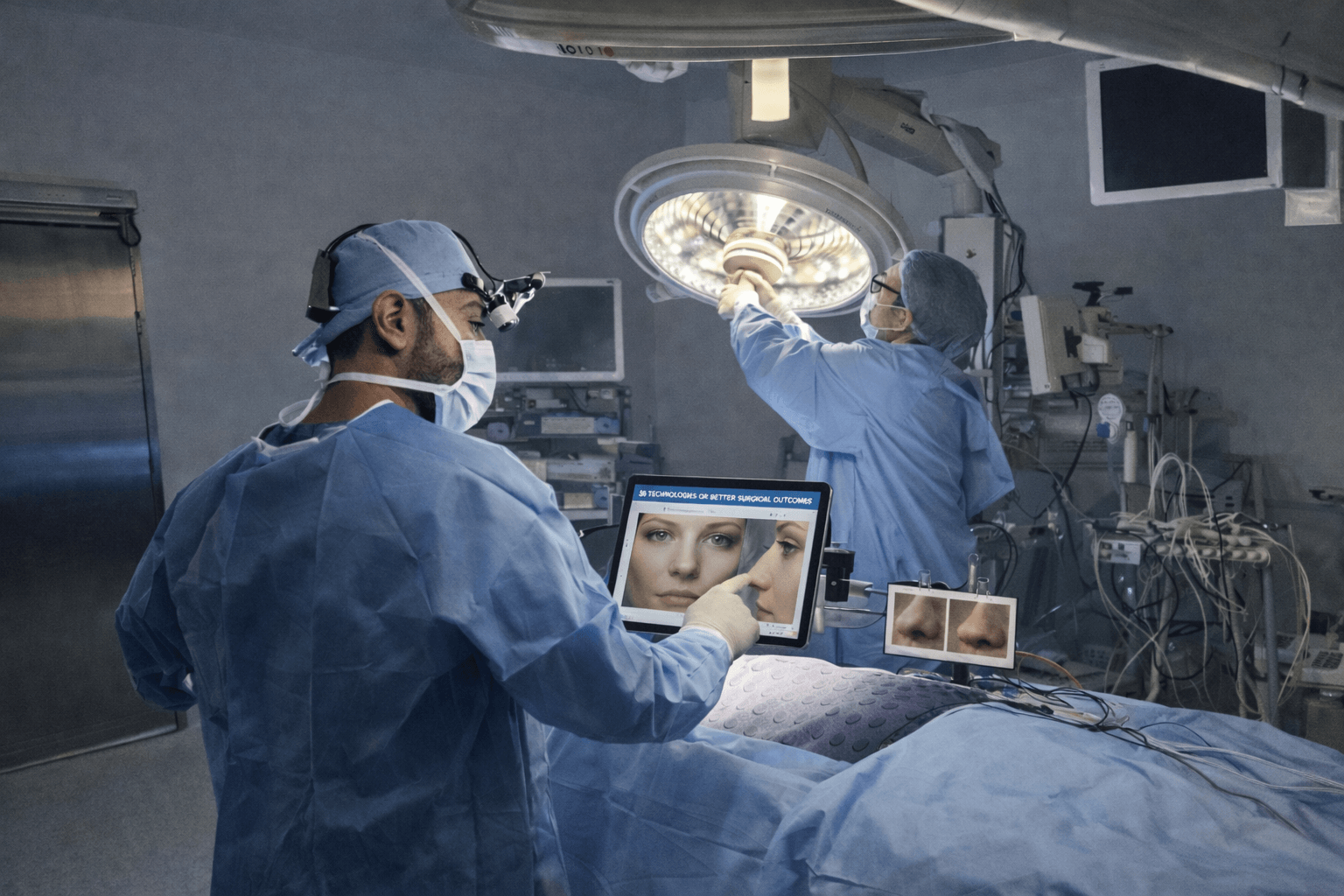
1. Accuracy Through Advanced Technology. When clinically indicated, Dr. Dalati uses 3D Virtual Surgical Planning (VSP) to align aesthetic goals with what is structurally achievable. This technology analyzes facial proportions to create a customized surgical blueprint. It minimizes the risk of mismatched expectations and provides a valuable educational tool for patients to visualize realistic outcomes before surgery.
2. Dual-Specialty Functional Mastery. Dr. Dalati approaches every revision with equal attention to breathing function and aesthetic refinement. His first priority is always establishing the functional 10–15° internal valve angle for unrestricted airflow. From that stable, functional foundation, aesthetic beauty emerges naturally.
3. Long-Lasting Results Through Natural Materials. Dr. Dalati prioritizes autogenous cartilage (your own tissue) over synthetic materials. This is not a preference; it is an evidence-based safety protocol. Systematic reviews confirm that alloplastic (synthetic) implants are associated with significantly higher long-term complication rates, including infection and extrusion. When combined with his rigid multi-point fixation approach (3–5 sutures per graft), the structural framework he builds is engineered to maintain its shape for the long term.
4. Unmatched Safety Standards. All procedures adhere to stringent Dubai Health Authority (DHA) guidelines and are performed exclusively at Dr. Sulaiman Al Habib Hospital, a JCI-accredited facility. For extended 4–6 hour procedures, Dr. Dalati coordinates closely with elite anesthesiologists, utilizing advanced monitoring protocols to ensure your safety and comfort are never compromised.
Overcoming Disappointment: Your Path to Confidence
If you’re reading this, you’re likely carrying more than just disappointment. You’re carrying anxiety about social events where people might stare. You’re carrying frustration about avoiding mirrors or angling your face in photos. You might be using nasal strips every night just to sleep comfortably. These feelings aren’t vanity. They’re the legitimate psychological cost of living with a failed surgical outcome. The QOL score of 32.8 that most revision candidates report reflects profound dissatisfaction—a fact confirmed by clinical questionnaires (like the ROE) that are designed to measure these exact social, emotional, and psychological variables.
Visualize this: Half a year from today, you’re at a party and you don’t automatically turn your face to hide your profile. You take a deep breath through your nose—both nostrils, completely open—and you don’t even think about it because breathing has become second nature again. You look in the mirror and you see your reflection. Not a stranger with a ‘surgical’ nose. Just you—only improved. Polished. Self-assured. Friends tell you that you look rejuvenated or ‘different’ in a positive way, but they can’t quite put their finger on what changed. That’s the aim: subtle, natural refinement that looks like you, not like surgery.
This isn’t just a dream, it’s a proven reality shown in the QOL data. The leap from 32.8 to 81.9 signifies the return of comfort, confidence, and normal life function. This is what successful revision rhinoplasty provides—not just a cosmetic improvement, but a reclaimed quality of life. Dr. Dalati prioritizes a candid, in-depth discussion about realistic expectations during your consultation. This isn’t to limit your hope—it is to ensure your goals are surgically achievable given your unique tissue quality. This ethical, patient-first approach protects you from the cycle of over-promising and ensures you embark on a journey toward a result you can truly love.
The Ethical Duty to Say No: Why I Turn Down 1 in 5 Cases
A Personal Note from Dr. Dalati:
Though I am passionate about solving complex revision cases—even third or fourth-time revisions that other surgeons have declined—I still advise against surgery for approximately 15–20% of the patients I see in consultation. This is not a limitation of skill; it is an evidence-based safety protocol.
Protecting Your Safety Above All. In rare instances, a patient’s previous surgeries may have left the nasal tissue with poor blood supply or severe scarring. In these cases, further surgery could risk the long-term health of the skin and soft tissue. If I believe your tissue cannot safely tolerate another procedure, I will candidly advise you against it. My primary duty is to protect your well-being, and sometimes the most ethical surgical decision is to preserve what remains rather than risk tissue viability.
Realistic Goals vs. False Hope. I also decline cases where a patient’s goals are anatomically impossible given their bone structure or skin thickness. If a patient desires a “celebrity nose” that does not fit their facial proportions, I provide honest counsel rather than making promises I cannot keep.
Ensuring You Are Ready. Finally, I prioritize goal alignment. If during our consultation it appears that external pressures (such as partners, family, or social media) are driving the decision, or if expectations are not aligned with surgical reality, I may recommend pausing the process. Research proves that surgery cannot fix internal unhappiness.
A surgeon who accepts every case is prioritizing revenue over patient safety. My 96% satisfaction rate is built on two pillars: extreme surgical precision and strict ethical patient selection. If you fall into the 20% I advise against surgery, I will explain exactly why. If you fall into the 80% I accept, you can proceed with the absolute confidence that your safety and outcome are my only priorities.
What to Expect During Your Consultation With Dr. Dalati
Dr. Dalati will conduct a comprehensive evaluation during your initial consultation, which typically lasts 45 to 60 minutes. This is because revision rhinoplasty requires a detailed investigation of your previous surgeries, current anatomy, and your specific goals. Dr. Dalati will review your previous surgeries in detail. If available, bring any previous surgical records, operative notes, or before-and-after photos (though not required). He will ask about how many surgeries you’ve had, when they were performed, what techniques were used, and what complications or concerns arose.
Dr. Dalati will physically examine your breathing function, assess your internal nasal valve, examine your septum for deviation, and evaluate your nasal airflow. This may include anterior rhinoscopy (looking into the nostrils with a speculum), endoscopic examination of internal structures, and breathing tests to assess valve function. Using endoscopic examination and physical assessment, Dr. Dalati will evaluate your remaining cartilage (septal, upper lateral, lower lateral), extent of scar tissue, what grafting will be required, and what can be salvaged from within the nose vs. what might require rib or ear cartilage.
Dr. Dalati uses 3D imaging technology (VSP) when needed. This is a great tool to educate you on what to expect as it shows realistic projections, ensuring that what you want is achievable with the quality of your tissue. Dr. Dalati will be honest with you about what can be done. If you are among the 15-20% that he cannot help, he will explain why and might suggest other options, waiting longer, or addressing psychological factors first.
Your Diagnostic Consultation: The First Step to Repair
A revision rhinoplasty consultation with Dr. Dalati is not a quick chat; it is a forensic analysis of your nasal anatomy. To ensure the highest probability of success, we require a “deep dive” into your surgical history.
How to Prepare for a Productive Session:
- The “Evidence”: If possible, please bring the Operative Report from your previous surgery. While Dr. Dalati relies on his own exam, this document acts as vital background intelligence, identifying which graft materials were likely used and helping us anticipate anatomical challenges.
- The Timeline: Please bring photos of your nose before your primary surgery, and at various stages of healing. This helps us distinguish between your natural anatomy and surgical changes.
- The Time Commitment: Please allow 45–60 minutes for this appointment. Dr. Dalati does not rush. He uses this time to perform a functional airway analysis (including nasal endoscopy) and, where appropriate, utilizes 3D Imaging (VSP) to visualize realistic outcomes and ensure your goals align with your tissue quality.
Ready to fix it properly?
[Book Your Restorative Assessment] with Dr. Hatem Dalati today.
The Investment in Restoration
The cost of a revision rhinoplasty at the ENT Clinic of Excellence typically falls between AED 35,000 and AED 50,000. This price reflects the immense complexity of the reconstruction, the type of graft required (nasal cartilage vs. rib grafts), and the extended duration of the surgery (4–6 hours).
Why Revision Costs More than Primary Surgery. Revision rhinoplasty is not merely refining; it is reconstruction. Unlike a primary procedure (which takes ~90 minutes), a revision requires Dr. Dalati to carefully navigate through scar tissue and rebuild the nasal framework, often using advanced grafting techniques. This “complexity premium” ensures that we can dedicate the necessary time and resources—often double that of a standard surgery—to secure a stable, long-term result.
Insurance Support for Functional Correction. Many patients are unaware that issues such as breathing difficulties, structural collapse, or internal valve dysfunction may be covered by insurance—even if the procedure also includes aesthetic improvement. At the ENT Clinic of Excellence, our dedicated insurance coordination team has extensive experience securing approval for the functional components of revision rhinoplasty. We will:
- Review your policy for eligibility.
- Document medical necessity with objective measurements.
- Manage all pre-authorization and claim submissions.
The True Value: Restoring Your Quality of Life. The success of this procedure is measured in life-changing metrics. Validated clinical data using the Rhinoplasty Outcome Evaluation (ROE) indicates that successful revision patients typically experience a 148% improvement in quality of life scores, jumping from a pre-operative average of 32.8 to a post-operative benchmark of 81.2.
This is not just a cosmetic adjustment; it is a restoration of function and confidence that impacts your breathing, sleep, and professional interactions every day. When viewed as a long-term correction, the investment offers a lasting foundation for renewed self-assurance.
On the Road to Recovery: The Importance of Patience
Recovering from a revision rhinoplasty takes longer than a primary rhinoplasty due to the complexity of the procedure and the body’s reaction to operating on scar tissue from a previous surgery. Patience is crucial in this process. For the first 1–2 weeks, you’ll have an external cast that will be removed after 7 days, but you’ll still have noticeable swelling and bruising (more so than after a primary rhinoplasty). Internal splints are usually removed after 7–10 days, and most patients need to take 10–14 days off work. You may also feel like your nose is congested due to internal swelling during this time.
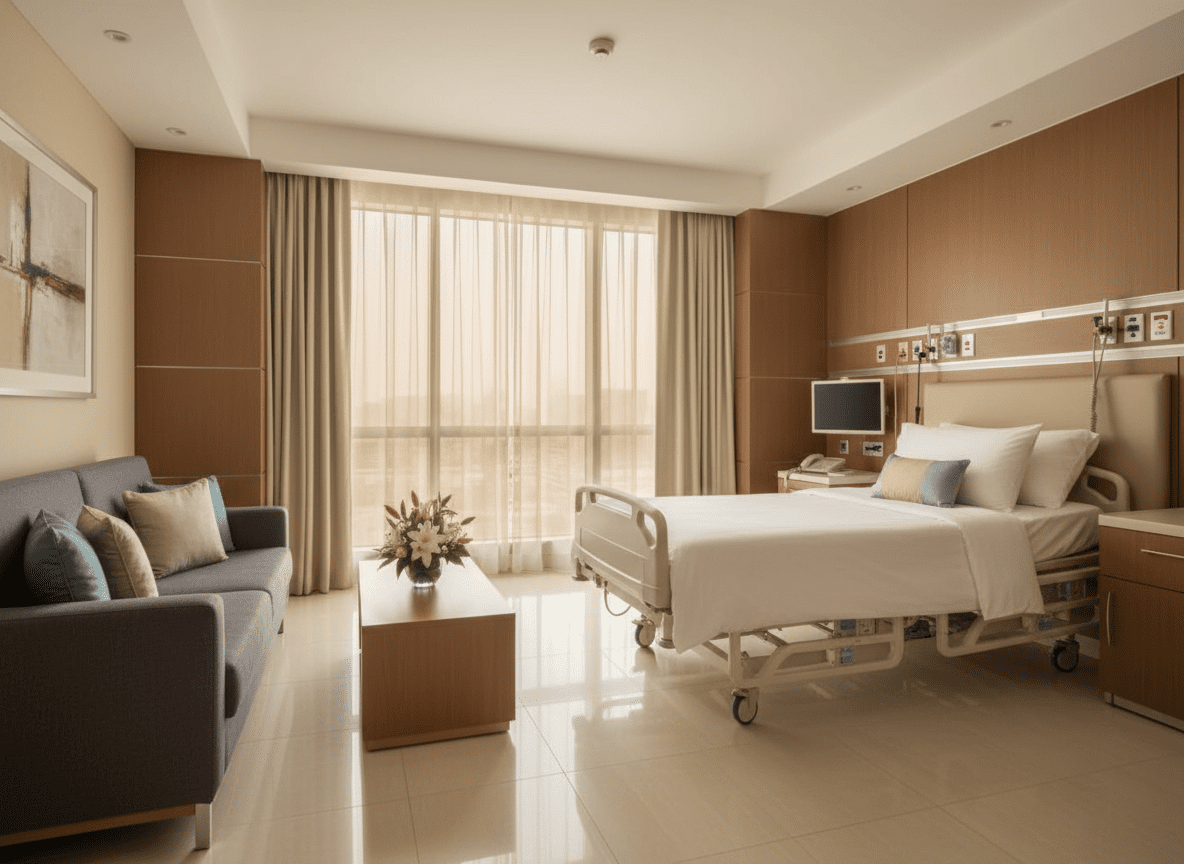
Between the third and sixth week, you’ll hit what we refer to as “social recovery,” where the bruising has healed and the swelling has subsided enough for social events, although it’s still there. You can start light exercise again within four to six weeks, and most visible surgical signs will have disappeared. At three months, the majority of the swelling will have gone down (approx. 70%), your ability to breathe will have significantly improved, and you’ll be able to see the general shape of the final outcome. At this point, you can also resume all normal activities, including strenuous exercise.
During the 6–12 month period, the slight swelling will continue to go down, the tip of the nose will become more defined, and as the scar tissue matures, the results will continue to get better. The final results will be seen between 12–18 months, when the swelling is completely gone, the tip of the nose has its final definition, and the results are completely stable. This is when you will truly see the final, permanent result. Thanks to Dr. Dalati’s systematic rigid multi-point fixation approach (3–5 sutures per graft), the structural results you see at 18 months are engineered to remain exceptionally stable for many years. Patients who have been followed for 5+ years after surgery report that their nose maintains the same structural definition as it did at 18 months.
Commonly Asked Questions
What is revision rhinoplasty?
Revision rhinoplasty (or secondary rhinoplasty) is a specialized surgical procedure performed to correct complications or unsatisfactory results from a previous nose surgery. It addresses both functional impairments, such as post-surgical breathing obstruction, and aesthetic concerns like asymmetry, collapsed valves, or scar tissue formation.
Why is Dr. Dalati’s method distinctive for difficult cases?
Dr. Dalati combines Dual-Board Certification in ENT and Facial Plastic Surgery to treat the nose as a functional organ, not just a cosmetic shape. His “Forensic Analysis” method systematically identifies prior surgical errors, while his ability to harvest deep septal cartilage often prevents the need for painful rib grafts.
What measures does Dr. Dalati take to ensure safety during long revision surgeries?
Dr. Dalati operates exclusively at JCI-accredited hospitals using an “Unrestricted Safety Protocol.” This ensures the anesthesia team has full access to advanced monitoring technology and medications to maintain total stability and safety throughout 4–6 hour reconstructive procedures, ensuring you wake up smoothly and comfortably.
How long should I wait before getting a revision rhinoplasty?
Medical guidelines recommend waiting at least 12 months after your previous surgery. This allows all swelling to subside and scar tissue to soften, revealing the true nasal anatomy. Operating too early on inflamed tissue significantly increases the risk of complications and graft failure.
What is the recovery time for revision rhinoplasty?
Patients typically require 10–14 days of “social downtime” for bruising to fade. However, full structural recovery takes longer than primary surgery due to scar tissue; final tip definition usually stabilizes between 12 and 18 months. Dr. Dalati’s rigid fixation techniques ensure the shape remains stable throughout this maturation process.
Will I need to use rib or ear cartilage for my revision?
In approximately 70–80% of secondary cases, Dr. Dalati can harvest sufficient high-quality cartilage from deep within the nasal septum, avoiding the pain and scarring of rib or ear grafts. Extra-nasal grafts (rib/ear) are typically reserved for severe tertiary cases where septal cartilage is fully depleted.
Expertise Backed by Evidence
Dr. Hatem Dalati’s expertise is substantiated by Double Board-Certification (European & Arab Boards), elite credentials, and verifiable patient satisfaction. He holds a 4.8-star rating on Google (based on over 280 reviews), a 100% recommendation rate on Practo, and a perfect 5/5 star rating on Doctify.
The ENT Advantage: Avoiding the Rib Graft. Unlike general plastic surgeons, Dr. Dalati’s specialized ENT background allows him to harvest cartilage from the deep septum—an area often inaccessible to others. This unique skill means he can frequently avoid the pain and scarring of rib or ear grafts in revision cases. In severe cases where natural cartilage is fully depleted, he utilizes advanced DHA-approved graft materials (selected strictly with your consent), ensuring structural stability without the need for a second surgical site.
What Verified Patients Say:
- On Quality of Life: “I love the way my nose looks now, natural and fitting my face perfectly.” – (Verified Review: Reverie Elixir)
- On Complex Revisions: “I finally feel like I can breathe properly again, and the aesthetic results are exactly what I had hoped for.” – (Verified Review: Mohammed Ak)
- On Patient Care: “He gave me my life back… I started praying for him from my heart.” – (Verified Review: Rula)
Book Your Restorative Assessment Today
If you are ready to reclaim both your breathing function and your confidence, Dr. Hatem Dalati provides the expert, dual-certified guidance you deserve.
📍 Location: ENT Clinic of Excellence, Building 64 (Al Razi), Block A, 2nd Floor, DHCC
🅿️ Patient Care: We provide 3 hours of complimentary on-site parking for all clinical visitors.
📞 Direct WhatsApp: +971 50 248 0249
📱 Follow Dr. Dalati: Instagram | TikTok
Scientific References & Clinical Validation
- 1 Quality of Life Assessment: Sinno H, et al. The impact of living with a functional and aesthetic nasal deformity after primary rhinoplasty: a utility outcomes score assessment. Ann Plast Surg. View Study on PubMed
- 2 Internal Nasal Valve Analysis: Kim L, Papel ID. Spreader Grafts in Functional Rhinoplasty. Facial Plast Surg. View Study on PubMed
- 3 Nasal Obstruction Outcomes: Sidle DM, et al. Twelve-month outcomes for treatment of dynamic nasal valve collapse. Laryngoscope. View Study on PubMed
DHA Professional License: 00212018-006 | Facility: ENT Clinic of Excellence (DHA License: 2524978) | MOHAP: (License: C86VYR1H-070126)
Clinical Disclaimer: This “Restorative Rhinoplasty Guide” is for educational purposes. A Restorative Assessment with Dr. Hatem Dalati is mandatory to determine surgical eligibility based on individual anatomy.