
The most effective ways to reduce swelling after rhinoplasty are keeping your head elevated, using cold compresses correctly when advised, following your surgeon’s postoperative instructions, avoiding strenuous activity during the recommended period, and giving your nose enough time to heal.
Swelling is a normal part of rhinoplasty recovery, and while remedies such as arnica, bromelain and pineapple are popular, the evidence supporting their ability to reduce postoperative swelling is limited or inconsistent.
The amount and duration of swelling varies from patient to patient and depends on factors such as the surgical technique, individual anatomy, skin thickness, whether the procedure is primary or revision rhinoplasty, and how the tissues heal.
Rather than relying on supplements or online recovery tips, patients should focus first on the measures that have a stronger clinical rationale and follow the specific instructions provided by their rhinoplasty surgeon.
This article looks at how to reduce swelling after rhinoplasty, what may actually help, and what the evidence says about popular remedies such as arnica, bromelain supplements and eating pineapple.
Why Does Swelling Happen After Rhinoplasty?
Swelling, medically known as edema, is part of the body’s natural response to surgery. During rhinoplasty or nose reshaping surgery, the nasal bones, cartilage and soft tissues may be reshaped, triggering an inflammatory healing response that causes fluid to accumulate in the tissues.
Swelling can affect the nose, cheeks and area around the eyes, particularly during the first few days. It gradually improves as healing progresses, although some swelling may remain for several months, especially around the nasal tip.
A systematic review of postoperative rhinoplasty care examined interventions intended to reduce swelling and bruising, including cooling and head elevation. The findings highlight the importance of appropriate postoperative care while acknowledging that evidence varies between interventions. Read the systematic review on rhinoplasty postoperative interventions.
Importantly, early swelling does not necessarily reflect the final surgical result. The nose needs time to heal and gradually reveal its shape.
For more information about what is considered normal during recovery, see our guide: Is This Normal After Rhinoplasty? Common Post-Op Questions.
How to Reduce Swelling After Rhinoplasty: 5 Practical Tips
There is no single technique that eliminates postoperative swelling. Instead, recovery is usually supported by a combination of appropriate postoperative care and patience.
1. Keep Your Head Elevated
Keeping your head elevated, particularly while sleeping, may help reduce fluid accumulation around the nose and eyes. Your surgeon may recommend sleeping on your back with your head raised using pillows or another suitable support.
Head elevation is a commonly recommended postoperative measure, and rhinoplasty literature supports its use to help minimize edema and bruising. However, it will not eliminate swelling completely.
Why does head elevation help?
Keeping the head elevated may:
- Reduce fluid accumulation around the face
- Help minimize morning puffiness
- Support drainage of postoperative fluid
- Make the early recovery period more comfortable
However, do not change your sleeping position or use a specialized device simply because you read about it online. Follow the specific instructions provided by your surgeon.
2. Use Cold Compresses Correctly When Advised
Cold compresses may help reduce early swelling and bruising, particularly around the eyes. Research on postoperative rhinoplasty interventions has found potential benefits from cold compression during the early recovery period.
However, the correct application matters. Do not place a compress directly on the nose or apply pressure to the surgical area unless your surgeon specifically instructs you to do so.
Follow the recommended timing and placement provided by your surgical team.
3. Follow Your Postoperative Instructions
Your surgeon’s postoperative instructions should always come first. Recommendations may differ depending on whether you underwent cosmetic rhinoplasty, functional rhinoplasty, septorhinoplasty or revision surgery.
Instructions may cover medications, nasal cleaning, sleeping position, exercise restrictions, cold compresses and follow-up appointments. Avoid adding treatments or changing your care routine based on online advice without consulting your surgeon.
For more information about combined functional and cosmetic procedures, read our guide to septorhinoplasty.
4. Avoid Strenuous Exercise Until Your Surgeon Allows It
Strenuous exercise can increase blood flow and may contribute to swelling, discomfort or bleeding during early recovery. Running, heavy lifting, high-intensity workouts and contact sports should be avoided until your surgeon confirms that it is appropriate to resume them.
Even if you feel well, the deeper nasal tissues may still be healing. Return to your usual activities gradually and follow your surgeon’s timeline.
5. Protect Your Nose and Allow Time to Heal
Avoid unnecessary pressure, rubbing or manipulation of your nose during recovery. Protect it from accidental bumps and follow your surgeon’s instructions about glasses, taping and nasal cleaning.
Remember that swelling after rhinoplasty does not disappear evenly. The nasal tip may remain swollen longer than other areas, and subtle changes can continue for months.
Patience is an important part of rhinoplasty recovery.
Popular Remedies: Do They Really Work?
This is where patients often encounter conflicting advice. Arnica, bromelain, pineapple and various herbal products are frequently recommended online for reducing swelling and bruising after rhinoplasty. But popular does not automatically mean proven.
Let’s look at the evidence more carefully.
Arnica Cream
Arnica is a plant-based ingredient found in products marketed for bruising and swelling. Some patients use topical arnica products after cosmetic procedures, while others take oral or homeopathic arnica.
The evidence is mixed.
A systematic review examining arnica and bromelain found insufficient evidence to firmly support their routine use for preventing or treating postoperative edema and ecchymosis. More recent research in facial plastic surgery has reported promising findings in some studies, but limitations remain.
Read the review: PubMed: Is There a Role for Arnica and Bromelain in Prevention of Post-Procedure Ecchymosis or Edema?
However, newer evidence is somewhat more encouraging. A 2026 systematic review of facial plastic surgery studies found that some studies of arnica reported reductions in postoperative bruising and that both arnica studies assessing edema reported reductions. Nevertheless, the authors emphasized substantial differences between studies and limitations in the available evidence. PubMed: Effectiveness of Arnica and Bromelain for Improving Ecchymosis Following Facial Plastic Surgery
What this means: Arnica cream is not a proven or essential treatment for swelling after rhinoplasty. Do not apply it to incisions, broken skin or inside the nose unless your surgeon approves it.
Arnica Tablets
Oral arnica products are also marketed for postoperative recovery. Some clinical studies have reported reductions in early edema, but findings are inconsistent, and benefits for bruising have not been established reliably.
For example, a randomized rhinoplasty study comparing arnica, corticosteroids and a control group reported some improvement in early edema with arnica but did not establish a clear benefit for bruising.
Read the rhinoplasty study on arnica and corticosteroids.
What this means: Arnica tablets should not be considered a necessary part of recovery. Tell your surgeon about any supplements you take, particularly around the time of surgery.
Bromelain Supplements
Bromelain is a group of enzymes naturally found in pineapple. It is marketed as a supplement for inflammation, swelling and recovery after surgery.
Research into bromelain has produced mixed results across different surgical procedures. Some studies suggest potential benefits in certain settings, but findings from other procedures cannot automatically be applied to rhinoplasty.
The National Center for Complementary and Integrative Health (NCCIH) notes that more research is needed to establish the effectiveness of bromelain for many proposed uses.
Bromelain is generally tolerated by many people, but it can cause side effects such as stomach upset or diarrhea, and interactions with medicines are possible.
Because surgery and postoperative medications can affect bleeding and healing, do not start bromelain simply because someone online recommended it.
What this means: There is insufficient rhinoplasty-specific evidence to recommend bromelain routinely for postoperative swelling. Consult your surgeon before taking it.
Eating Pineapple After Rhinoplasty
Pineapple naturally contains bromelain, but eating pineapple is not equivalent to taking a standardized supplement. The amount and activity of the enzyme vary according to the product and how it is prepared.
There is currently insufficient evidence that eating pineapple reliably reduces swelling after rhinoplasty.
Fresh pineapple can still be part of a balanced diet if you tolerate it, but it should be viewed as food rather than a proven treatment for postoperative edema.
What About Other Herbal Supplements?
There are many products marketed for postoperative recovery, including herbal blends containing ingredients such as: turmeric, ginger, garlic, ginkgo, gree tea extracts and various anti-inflammatory herbal combinations.
The problem is that “natural” does not automatically mean “safe after surgery.”
Herbal products can interact with medications, affect blood clotting or alter the effects of anesthetic and other medicines. The NCCIH guidance on supplements and surgery recommends informing your healthcare providers about all supplements you take before surgery.
What this means: Do not start a new herbal supplement during rhinoplasty recovery without consulting your surgeon.
What Actually Helps Reduce Swelling After Rhinoplasty?
Compared with popular remedies such as arnica and bromelain, following your surgeon’s postoperative instructions should be your priority. Head elevation, appropriate cold compresses, activity restrictions, and protecting your nose can support recovery when used as directed.
These measures do not eliminate swelling immediately, but they help you manage recovery safely while your nose heals.
Can Your Surgeon Do Anything to Control Swelling?
Yes—but this is different from what patients can do at home.
Swelling can be influenced by factors such as:
- Surgical technique
- Tissue handling
- Bone and cartilage work
- Intraoperative bleeding control
- Individual anatomy
- Skin thickness
- Whether the surgery is primary or revision
- Whether functional corrections are performed at the same time
In selected cases, a surgeon may consider additional treatment for persistent nasal tip swelling. For example, corticosteroid injections may be appropriate for certain patients, but they are not routinely required and should only be considered after an individual assessment.
Read our related article about steroid injections after rhinoplasty.
Dr. Hatem Dalati, ENT Consultant & Rhinoplasty Surgeon, considers both nasal function and appearance in rhinoplasty care. Recovery recommendations should reflect the procedure performed and the patient’s individual healing progress.
When Should You Contact Your Surgeon About Swelling?
Some swelling is expected after nose surgery. However, rapidly increasing or unusual swelling should not simply be assumed to be normal.
Contact your surgical team if you develop:
- Sudden or rapidly worsening swelling
- Significant bleeding
- Severe or increasing pain
- Fever
- Increasing redness or warmth
- Foul-smelling drainage
- Difficulty breathing that is worsening rather than improving
- Significant swelling on only one side
- Any symptom that concerns you
Your surgeon knows the details of your operation and is in the best position to determine whether your recovery is progressing normally.
How Long Does Swelling Last After Rhinoplasty?
The final timeline depends on the patient’s anatomy, skin thickness, surgical technique and whether the procedure was primary or revision rhinoplasty.
This is one reason why judging your final rhinoplasty result during the first few weeks can be misleading.
- First few days: Swelling and bruising are often most noticeable.
- First 1–2 weeks: Visible swelling usually begins to settle.
- Following several months: The nasal shape continues to refine.
- 6–12 months or longer: Subtle swelling, particularly around the tip, may continue to improve.
The timeline varies with the surgical technique, skin thickness, individual healing and whether the procedure is primary or revision rhinoplasty. Your surgeon is best placed to assess your progress.
Frequently Asked Questions
Does icing reduce swelling after rhinoplasty?
Cold compression may help reduce early postoperative swelling and bruising, particularly around the eyes. However, it should be used according to your surgeon’s instructions, and excessive pressure or direct application to the nose may not be appropriate.
Is arnica proven to reduce swelling after rhinoplasty?
Evidence is mixed. Some studies suggest arnica may reduce early postoperative edema or bruising, while other research has found limited or inconsistent benefits. Current evidence is not strong enough to consider arnica essential after rhinoplasty.
Does bromelain help after rhinoplasty?
There is not enough high-quality rhinoplasty-specific evidence to recommend bromelain routinely for postoperative swelling. Research in other surgical procedures has produced mixed results.
Is pineapple good for swelling after rhinoplasty?
Pineapple naturally contains bromelain, but eating pineapple has not been proven to reliably reduce swelling after rhinoplasty. It can be included as part of a normal balanced diet if tolerated.
Does exercise make rhinoplasty swelling worse?
Strenuous exercise can increase blood flow and may contribute to increased swelling or bleeding during the early recovery period. Return to exercise gradually according to your surgeon’s instructions.
Why is my nose still swollen months after rhinoplasty?
Nasal healing continues for months. The nasal tip and other areas can retain subtle swelling for considerably longer than the initial bruising and facial puffiness. Persistent or unusual swelling should be assessed by your surgeon.
When does rhinoplasty swelling go down completely?
There is no exact date. Most visible swelling improves substantially during the first weeks, but subtle swelling can continue to resolve over several months, and final refinement may take 6–12 months or longer in some patients.
Swelling After Rhinoplasty: One Patient’s Recovery Journey
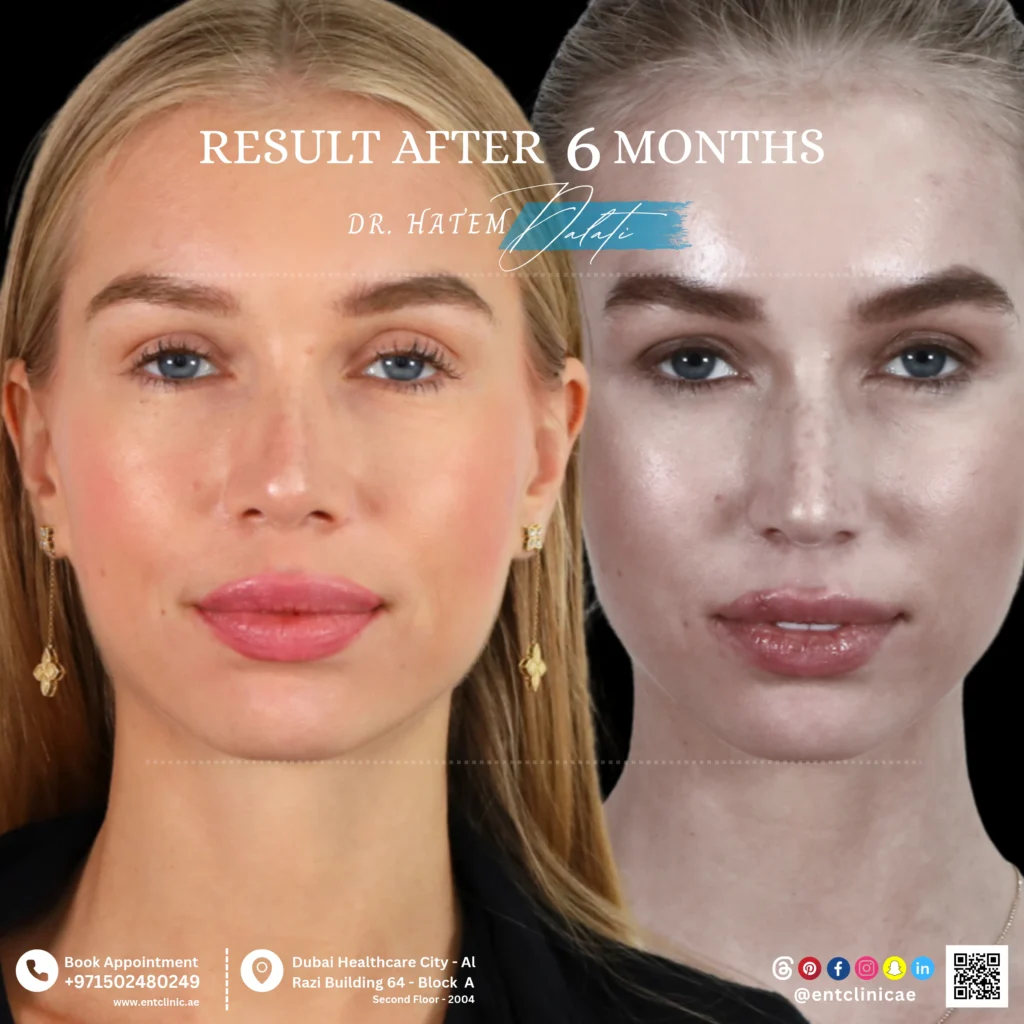
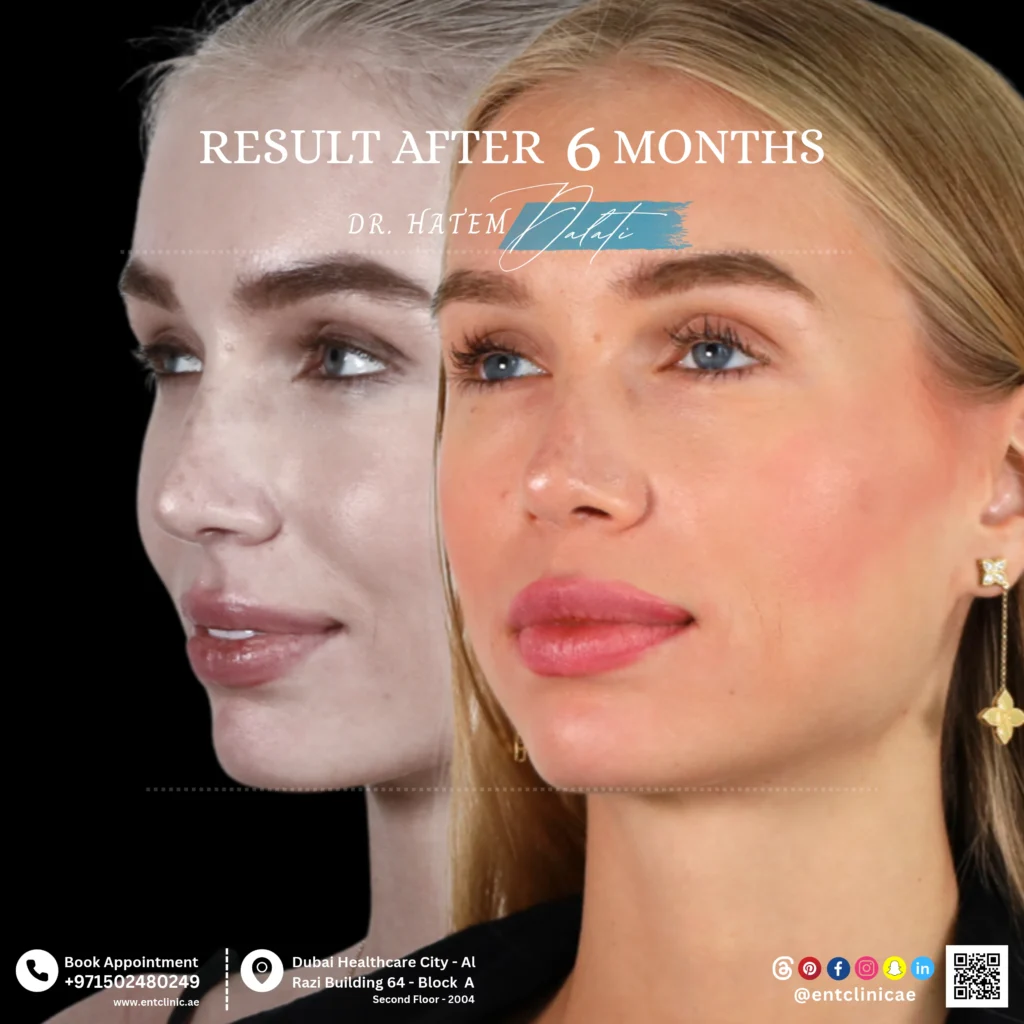
These photographs show one patient’s rhinoplasty results at different stages, from the operating room to six months after surgery. They illustrate the nose’s appearance over time, although visible swelling may not be significant at every stage. Individual healing and recovery timelines vary.
Immediately after surgery: Before-and-after photographs taken in the operating room.
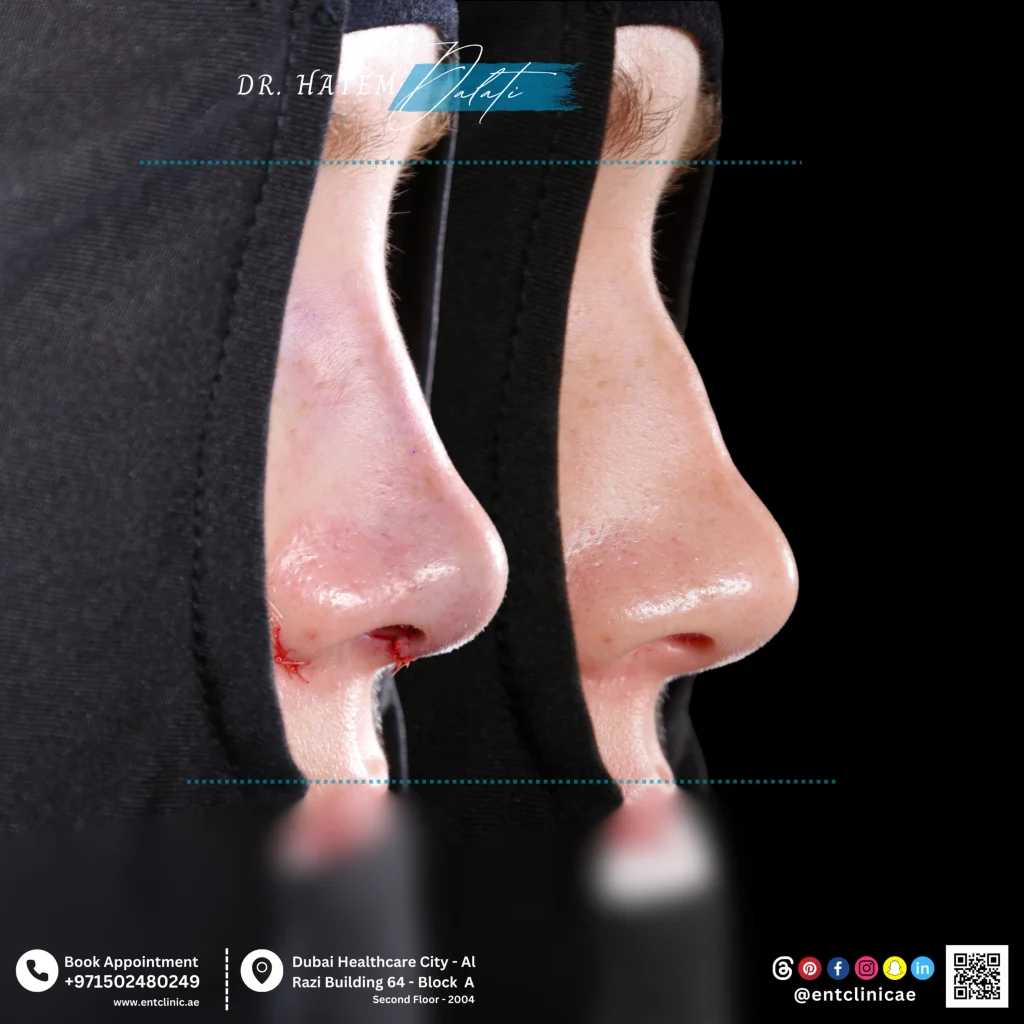

14 days after rhinoplasty: Early postoperative appearance.


5 weeks after rhinoplasty: Follow-up photographs during recovery.


5 months after rhinoplasty: Nasal appearance at a later follow-up.


6 months after rhinoplasty: Six-month postoperative appearance.
Final Takeaway
Always follow your surgeon’s post-operative instructions to support healing and manage swelling after rhinoplasty. Keep your head elevated, avoid strenuous activity as advised, and allow your nose time to heal. Arnica, bromelain, and pineapple remain popular remedies, but evidence of their effectiveness is limited or inconsistent.
Every nose heals differently, so patience and proper aftercare matter.
Have Questions About Your Rhinoplasty Recovery?
Every patient heals differently. If you have concerns about swelling after rhinoplasty or want to understand what to expect during recovery, book a consultation with Dr. Hatem Dalati, ENT Consultant & Rhinoplasty Surgeon, at ENT Clinic of Excellence in Dubai Healthcare City. Get personalized guidance on your recovery and when to seek further assessment.
📍 Location: Dubai Healthcare City, Dubai
📲 WhatsApp: Book a consultation
🌐 Website: www.entclinic.ae
📸 Instagram: @entclinicae
🎵 TikTok: @entclinic.ae