What Do Rhinoplasty Surgeons Do to Keep Patients Safe? A Guide to Rhinoplasty Safety
Rhinoplasty surgeons keep patients safe by carefully evaluating their health and nasal anatomy, planning surgery according to both function and appearance, using appropriate surgical techniques, monitoring the patient during the procedure, and providing structured postoperative care. Rhinoplasty safety is not limited to what happens in the operating room—it begins with the first consultation and continues throughout recovery.
Rhinoplasty or nose reshaping is a highly individualized procedure. While many patients seek surgery to improve the shape or proportions of their nose, the nose also plays an important role in breathing and structural support. For this reason, a responsible rhinoplasty plan should consider both aesthetic goals and nasal function.
What Does Rhinoplasty Safety Involve?
Rhinoplasty safety involves more than simply avoiding complications during surgery. It includes appropriate patient selection, detailed assessment, realistic expectations, careful surgical planning, preservation of important nasal structures, and proper follow-up.
Like any surgery, rhinoplasty has potential risks. These can include bleeding, infection, anesthesia-related complications, changes in sensation, breathing difficulties, scarring, and the possibility of revision surgery. These risks should be discussed openly before a patient makes a decision about surgery. The American Society of Plastic Surgeons also emphasizes the importance of understanding potential risks and discussing them with the surgeon.
The goal is not to promise that complications can never occur. Instead, good surgical practice focuses on reducing avoidable risks and responding appropriately if an unexpected problem develops.
How Is a Patient Evaluated Before Rhinoplasty?
One of the most important parts of rhinoplasty safety happens before surgery. At ENT Clinic of Excellence, Dr. Hatem Dalati begins with a detailed consultation to understand each patient’s medical history, previous nasal surgery or trauma, breathing concerns, medications, allergies, and other factors that may affect surgery and recovery.
Dr. Hatem also carefully evaluates the patient’s nasal anatomy and function. Depending on the individual case, this assessment may include:
- The nasal septum
- Nasal valves
- Turbinates
- Nasal passages
- External nasal structure
- Skin and soft-tissue characteristics
- Previous surgical changes
This evaluation helps Dr. Hatem determine whether the patient’s concerns are primarily cosmetic, functional, or a combination of both. A patient seeking cosmetic rhinoplasty, for example, may also have a deviated septum, nasal valve narrowing, turbinate enlargement, or another factor contributing to nasal obstruction.
Understanding these factors before surgery allows the surgical plan to be tailored to the patient’s anatomy, breathing, and goals rather than using the same approach for every patient. This individualized assessment is an important part of promoting patient safety and protecting nasal function.
Why Is Surgical Planning Important for Patient Safety?
Every nose has different anatomy. A technique that is appropriate for one patient may not be appropriate for another.
Safe rhinoplasty planning considers the patient’s facial proportions, nasal structure, skin characteristics, breathing, previous procedures, and desired outcome. The surgeon should determine which structures need to be modified, which should be preserved, and whether structural support needs to be strengthened.
This is particularly important when significant cartilage is being removed or reshaped. Excessive removal of supporting cartilage can contribute to structural problems and may affect nasal function over time.
In some patients, cartilage grafting may be necessary to maintain or restore structural support. You can learn more in our article, Why Does Removing Too Much Cartilage Cause Problems in Rhinoplasty?
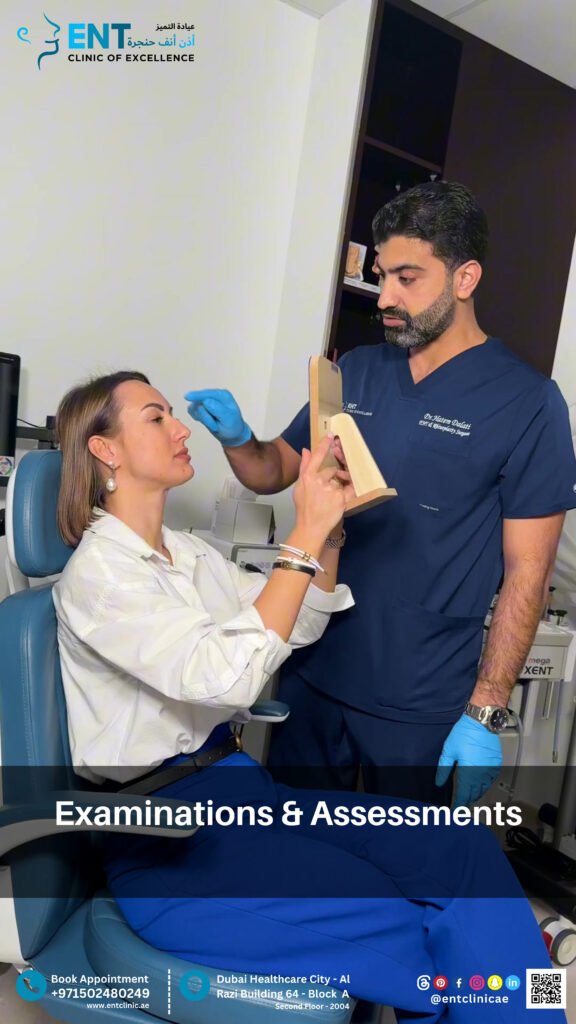
Rhinoplasty Safety Starts With Careful Planning
A detailed consultation helps identify individual concerns, assess nasal function, and create a personalized surgical plan focused on rhinoplasty safety.
What Should Patients Know About Rhinoplasty Risks Before Surgery?
Before deciding to have rhinoplasty, patients should understand that, like any surgical procedure, rhinoplasty has potential risks and cannot be guaranteed to be completely risk-free.
The specific risks can vary depending on the patient’s health, nasal anatomy, the type of rhinoplasty being performed, and whether it is a primary or revision procedure. Possible complications may include bleeding, infection, swelling, changes in sensation, scarring, breathing difficulties, asymmetry, or the need for additional surgery.
A thorough consultation gives patients an opportunity to discuss the risks that are relevant to their individual case. During the consultation, Dr. Hatem Dalati discusses the proposed surgical approach, expected recovery, realistic outcomes, and factors that may influence the result based on the patient’s individual anatomy and goals.
Patients should feel comfortable asking questions and should have enough information to make an informed decision before consenting to surgery. Understanding the potential risks, benefits, limitations, and recovery process is an important part of rhinoplasty safety.
For general information about rhinoplasty risks and complications, read our related article: What Are the Risks and Complications of Rhinoplasty?
Why Should Breathing Be Considered During Rhinoplasty?
A safe rhinoplasty should consider not only the external appearance of the nose but also how the nose functions. The nasal airway and supporting structures play an important role in breathing, and changes to the septum, nasal valves, turbinates, nasal bones, or cartilage can affect nasal airflow.
For this reason, assessing nasal breathing before surgery and preserving appropriate structural support during rhinoplasty are important aspects of rhinoplasty safety. If a patient has both aesthetic and functional concerns, a septorhinoplasty may be considered to address structural appearance and nasal function within the same surgical plan.
Read more about this in What Is Septorhinoplasty? and How Does It Improve Your Nose and Breathing?.
How Do Surgeons Promote Safety During Surgery?
During nose operation, rhinoplasty safety involves appropriate anesthesia care, sterile surgical practice, careful tissue handling, and continuous monitoring throughout the procedure.
Dr. Hatem Dalati approaches each rhinoplasty according to the patient’s individual anatomy and surgical plan. During surgery, he carefully evaluates the nasal structures and adapts the surgical approach when necessary, with attention to preserving important structural support and maintaining nasal function.
The anatomy encountered during surgery may sometimes differ from what was expected during the preoperative assessment, particularly in patients who have had previous nasal surgery. Scar tissue, altered anatomy, or weakened cartilage may require adjustments to the surgical plan.
An important part of rhinoplasty safety is therefore making careful decisions throughout the procedure rather than following a fixed approach. Preserving appropriate nasal support, controlling bleeding, maintaining sterile technique, and continuously monitoring the patient all contribute to a safer surgical process.
How Does Dr. Hatem Approach Revision Rhinoplasty?
Revision rhinoplasty can be more complex because previous surgery may have changed the nasal framework, leaving scar tissue, altered anatomy, or reduced structural support.
With experience in primary and revision rhinoplasty, Dr. Hatem evaluates the remaining nasal structures and determines whether additional reconstruction or support is needed. Cartilage grafting may be considered when appropriate to restore or strengthen the nasal framework.
The goal is not simply to correct the previous result, but to address the underlying structural and functional concerns while planning for a stable long-term outcome.
Why Is Postoperative Follow-Up Part of Rhinoplasty Safety?
Patient safety does not end when surgery is completed. Follow-up allows Dr. Hatem Dalati to monitor healing, identify concerns early, assess swelling and nasal function, and provide individualized postoperative instructions.
Patients should also understand that swelling and changes in nasal appearance can continue for months after rhinoplasty. The early postoperative appearance is therefore not necessarily the final result. Following instructions regarding activity, wound care, medications, sleeping position, nasal care, and scheduled appointments can also support a smoother recovery. These steps are an important part of maintaining rhinoplasty safety throughout the recovery period.
For a detailed explanation of what patients can expect, read How Long Does Rhinoplasty Recovery Take?.

Personalized follow-up is an important part of rhinoplasty safety and recovery.
How Does Dr. Hatem Dalati Approach Rhinoplasty Safety?
At ENT Clinic of Excellence in Dubai Healthcare City, Dr. Hatem Dalati combines his ENT expertise and specialized rhinoplasty training to approach each procedure with patient safety in mind.
Dr. Hatem holds an MD and Master’s Degree in ENT, is Arab Board and European Board certified, and has completed a Rhinoplasty Fellowship specializing in advanced surgical techniques. He is also a Member of the Rhinoplasty Society of Europe and is DHA licensed.
His experience includes aesthetic, functional, primary, and revision rhinoplasty. His ENT specialization provides a strong foundation for considering both the appearance and function of the nose, while his rhinoplasty training supports a detailed, anatomy-based approach to surgical planning.
For Dr. Hatem, rhinoplasty safety means making informed surgical decisions based on the individual patient rather than following a standardized approach. The aim is to achieve an appropriate aesthetic result while respecting nasal function, structural support, and long-term stability.
What Should You Ask Your Surgeon About Rhinoplasty Safety?
Before choosing rhinoplasty, patients should feel comfortable asking questions such as:
- How will my nasal structure and breathing be evaluated?
- What are the risks specific to my case?
- How will the surgical plan be customized for my anatomy?
- How will nasal support and breathing be preserved?
- What should I expect during recovery?
- What happens if a complication occurs?
- How often will I be seen after surgery?
- Where will my surgery be performed?
A good consultation should give you an opportunity to understand not only what can be changed, but also what should be preserved.
FAQs About Rhinoplasty Safety
Is rhinoplasty a safe procedure?
Rhinoplasty or nose reshaping is a commonly performed surgical procedure, but like any surgery, it carries potential risks. Rhinoplasty safety depends on appropriate patient evaluation, surgical planning, experienced care, anesthesia management, and postoperative follow-up.
Can rhinoplasty affect breathing?
It can. Because rhinoplasty changes nasal structures, breathing should be assessed before surgery and considered during surgical planning. Appropriate structural preservation is important for maintaining nasal function.
Does a safe rhinoplasty mean there are no risks?
No. No surgery can be guaranteed to be completely risk-free. The purpose of careful evaluation and planning is to understand potential risks, reduce avoidable risks, and manage complications appropriately if they occur.
Why is an ENT surgeon’s perspective valuable for rhinoplasty?
An ENT surgeon has specialized training in the anatomy and function of the nose and upper airway. This can be particularly valuable when a patient has nasal obstruction, a deviated septum, nasal valve problems, previous nasal surgery, or other functional concerns alongside aesthetic goals.
How important is follow-up after rhinoplasty?
Follow-up is an important part of postoperative care. It allows the surgeon to monitor healing, address concerns, evaluate nasal function, and guide the patient through recovery.
Book a Rhinoplasty Consultation in Dubai
Rhinoplasty should be approached as a medical and surgical decision—not simply a cosmetic change. A thorough evaluation can help determine whether rhinoplasty is appropriate for you and what approach best suits your anatomy, breathing, and goals.
For personalized rhinoplasty assessment with Dr. Hatem Dalati, ENT Consultant and Rhinoplasty Surgeon, visit ENT Clinic of Excellence in Dubai Healthcare City.
📍 Location: Building 64 – Block A, 2nd Floor – Unit 2004, Umm Hurair 2, Dubai Healthcare City, Dubai
💬 Book your consultation via WhatsApp
Your rhinoplasty journey should begin with the right evaluation, realistic expectations, and a surgical plan designed around your safety, breathing, and individual anatomy. Understanding rhinoplasty safety is an important part of making an informed decision about your procedure.